Findley Montgomery and Kacy Maitland
Samaritans provides free workshops that equip educators and school staff with the tools and resources to prevent suicide.
Here, we share top questions we regularly hear from school staff. Our advice is geared toward middle and high school educators, though it may also be relevant for out-of-school time providers and in college settings.
(If you’d like additional information or resources on any of these topics, please reach out to schedule a free workshop for your school.)
Q: What are some signs that a student may be suicidal or in need of mental health support?
Teenagers show signs of distress in a variety of ways, including:
- Talking about death or dying, even as a joke
- Expressing feelings of hopelessness, being a burden, or feeling trapped or overwhelmed
- Increase in impulsivity or engaging in reckless or highly dangerous behavior
- Increased use of drugs or alcohol
- Increased displays of anxiety or depression
- Withdrawing from typical activities
- Isolating from friends
- Poor hygiene or sleeplessness (struggling to get enough sleep / stay awake in class)
- Giving away possessions
- Self-harm, such as cutting or burning oneself
It’s most important to be on the lookout for changes in behavior and noticing when someone is withdrawing or isolating. This also includes noticing what may appear like very sudden improvement. If a student has been depressed and then all of a sudden shows a big upward swing, don’t assume they are OK. It may be a sign that they have made a plan for suicide. It’s worth checking in.
Q: What are the first steps a caring adult should take if they suspect a student may be suicidal?
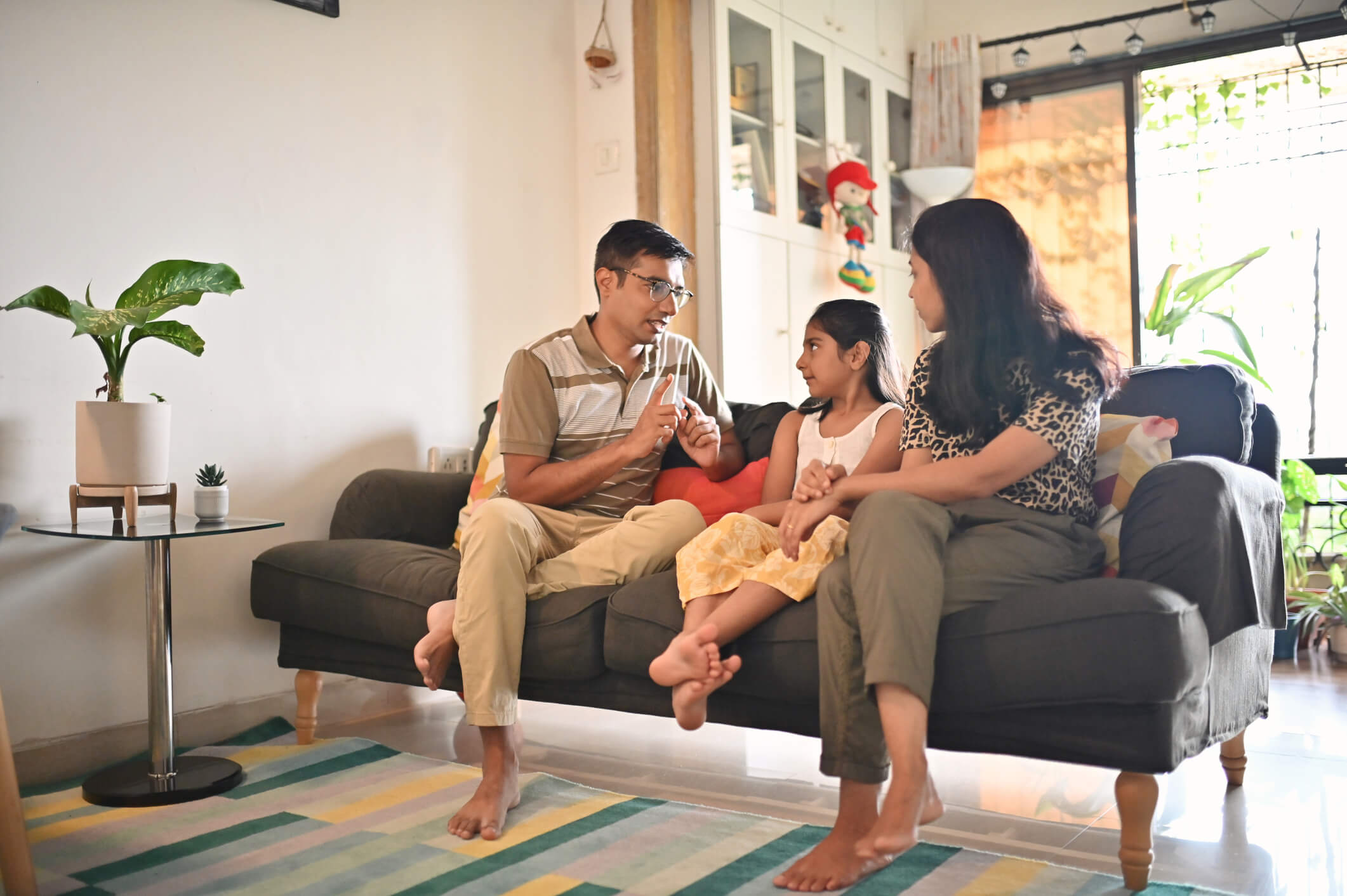
First, try to have a calm, direct conversation with the student, acknowledging what you’ve noticed. Ask them how they’re feeling. Let them know you care about them and that they can come to you as a trusted adult, now or in the future.
Whatever the student chooses to share, be sure to take their feelings seriously. Adolescents are often experiencing breakups, loss, disappointment, and other life events for the first time. Their feelings can be more intense than for adults who have more life experience. Honor and validate those feelings.
During these conversations, it’s important to validate (“It’s normal to feel [emotion] after [x] happened.” “I’m sorry you’re going through such a hard time.”), reflect (“It sounds like these feelings have been going on for a while.” “You shouldn’t have to carry this alone.”), and ask open-ended questions (“What do you do when you feel like this?” “Are you having any thoughts about harming yourself?”).
If you sense more support is needed, enlist help. You can suggest going with the student to meet the school social worker or guidance counselor, who may be better equipped to do a risk assessment. Note: In most states, teachers are mandatory reporters. If you believe a student is at risk of harming themself or another person, you must follow your state’s regulations and school’s protocols for reporting.
If the student doesn’t choose to share details with you, let them know your door is open and suggest other adults they could consider confiding in. Continue to check in each day. If you remain concerned, trust your gut and speak directly with the school’s guidance team or an administrator.
Q: What steps should school leaders and educators take following a suicide loss in their school community?
A suicide death in a school community can be devastating for both students and staff. In the wake of a suicide, other members of the community may be at elevated risk for suicide, so it is important to put supports in place immediately.
The Riverside Trauma Center, a close partner to Samaritans, has written a detailed set of postvention guidelines for schools and other organizations following a suicide death that we recommend. Specifically, we recommend these steps:
- Discuss a communication plan with key stakeholders and the family of the deceased for informing the community about the loss.
- Bring in external support to provide psychological first aid and trauma response. (Don’t expect that your own guidance staff can carry this weight on their own. They will be affected by the loss too.) Be mindful that grief is not linear. Students and staff may need ongoing psychological support, and there may be a resurgence of grief around milestone events.
- Pay extra attention to those at highest risk. Make sure that people close to the person who died, those who might identify with them, and those with elevated mental health needs get extra support.
- Manage the physical space carefully. Don’t rearrange the classroom immediately to erase the person who has died. That can be jarring and exacerbate feelings of loss. Instead, consider engaging students in a discussion about how to rearrange the space after some time has passed. We do not recommend allowing students to create a physical memorial on campus.
- Monitor discussions on campus. Rumors and disinformation tend to spread quickly. Discourage students from dwelling on details related to the manner in which someone died.
- Model healthy grieving. Let students know that you are grieving too and that different people grieve differently. There are no universal stages or timelines. Talk to students about how you, and they, are caring for yourselves.
- Make sure staff get support too. While your first concern will be monitoring and supporting students, adults are affected by loss too. Make sure they know where to seek support and how they can take space from their duties to care for themselves.
Q: How can schools minimize stigma and normalize conversations about mental health?
School communities can put important suicide prevention measures in place and work to build a culture of better mental health before a crisis occurs.
At Samaritans, we recommend that every school:
- Develop a clear policy and protocols for mental health crises that includes a list of whom to contact on campus and external resources. Make sure every member of the staff has this information. Make sure students know where to seek mental health support on campus.
- Conduct an annual training for staff on suicide prevention with a group like Samaritans (see our workshops for schools) or another organization in your area.
- Normalize conversations about mental health in the classroom and in other forums on campus. Create safe spaces for conversation about the warning signs of suicide and suicide prevention.
- Allow students to take space when they need it. If a student is impacted by a reference to suicide, death, or something else in the curriculum or a conversation, make sure they know they can step back to care for themselves.
- Practice what you preach. Show students how you take care of your own mental health. Tell them when you need a break to recalibrate. Talk about other habits (e.g., regular sleep, exercise, therapy) that help you maintain your mental health.