Navigating life in a new country is hard enough. With the increase of large-scale deportations, ICE arrests, and lawful immigrants being detained, communities are paying the price with their mental health, their safety, and their lives.
Since January 2025, suicides have accounted for nearly 20% of all deaths in ICE custody, and nearly 80% of likely undocumented immigrants have reported negative health impacts due to immigration-related stress.
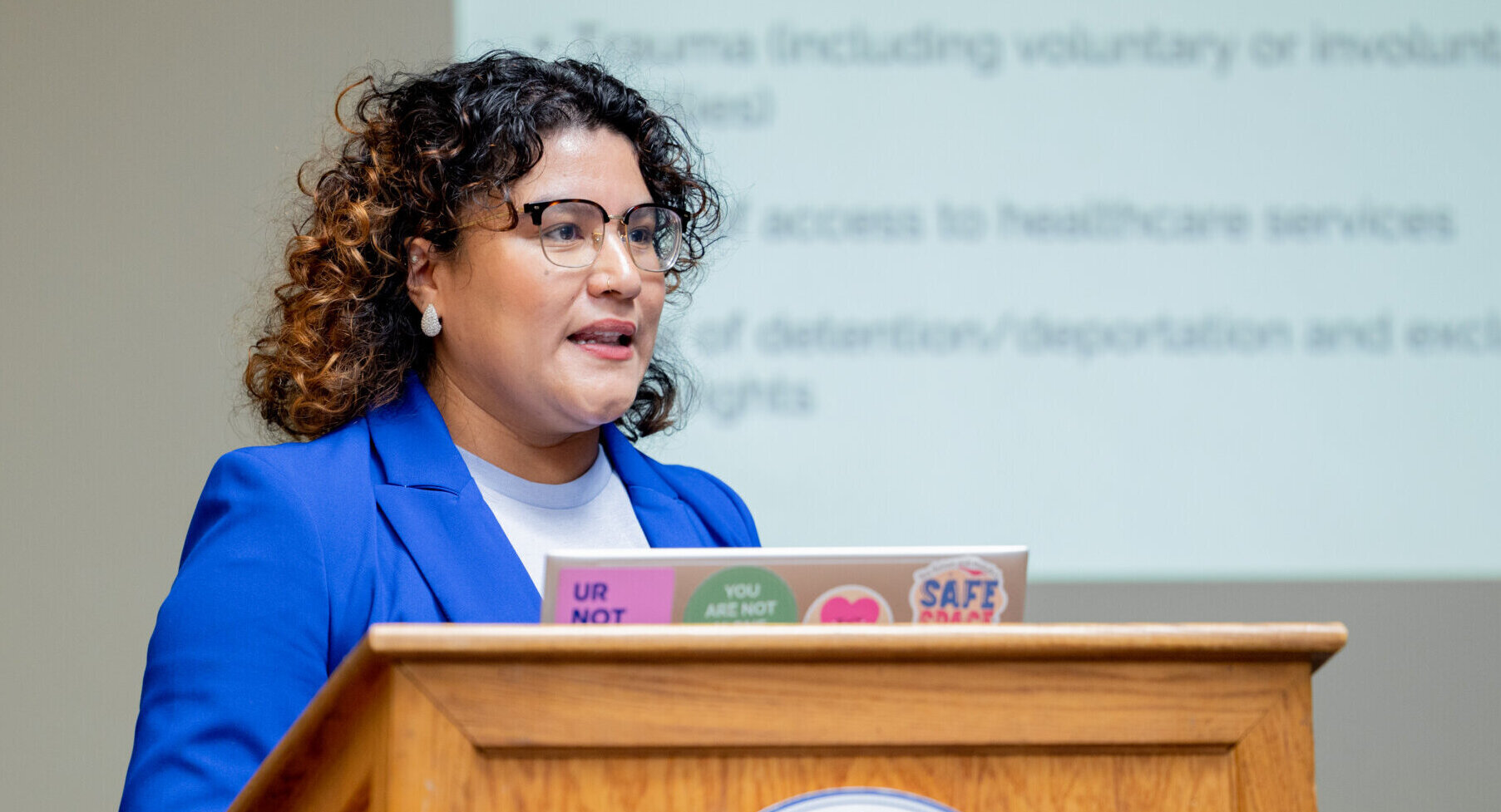
On June 23, Samaritans hosted a webinar titled Beyond Policy: How Immigrant Status Impacts Mental Health. Just two days after the webinar, the Supreme Court ruled that the federal government has the authority to revoke Temporary Protected Status (TPS) for Haitians living in the United States.
According to WBUR, “The ruling means nearly 20,000 estimated Haitian TPS holders in Massachusetts who have been living and working legally could see their immigration status suddenly change to illegal, meaning they could lose their jobs and face deportation.”
Being an immigrant really does feel like you’re in a dark tunnel and you don’t always know the way out.
The Status of Immigrant Mental Health
With immigrants facing so much uncertainty, it is no wonder many of them are dealing with mental and physical health issues. “Undocumented and documented immigrants are in a state of limbo,” says Simona Badger, a licensed clinical social worker and educator. “We’re noticing heightened anxiety, uncertainty, and depression, as well as hypertension and sleep problems. There is a public health crisis because of the fear mongering we’re seeing,”
Heather Yountz, a senior immigration attorney at the Massachusetts Law Reform Institute, says the fear among immigrants is more pervasive now than it has been in years. “A lot of my clients were severely traumatized in their home countries—they were raped, tortured, imprisoned, they saw a family member murdered, or they survived an attempted murder, sometimes at the hands of their own government. And now they’re being targeted again. There is an exacerbation of previous trauma.”
As a result, suicide rates in ICE detention centers have increased at an alarming rate. Heather notes that there were 10 reported suicides in detention centers in the past year, well above the average of 1 per year. Several factors can contribute to that suicidal ideation, including psychological distress due to overcrowding, a lack of access to the outside world, and the pressure to self-deport.
Mental Health Resources for Immigrants
Many immigrants are hesitant to access mental health care for a variety of reasons, including cultural differences, fears of being reported to authorities, and a lack of access to services in their native language. Some believe therapists are part of the system that doesn’t want them living in the United States.
Simona often works with individuals who are struggling emotionally. “It’s important to validate their fears and provide them a safe space to open up to a trusting agency. It’s important that they receive legal aid and education about what therapy truly is and what it can do for them.”
“One arrest impacts the entire community,” Heather adds. “Everyone in that identity group becomes terrified that they’re next. People develop a fear of officers of any kind—they’re even afraid of going to the doctor.”
Kiara Hernandez-De Assis serves as Manager of Quality Planning and Assurance at Samaritans. As a Salvadoran-American and suicide attempt survivor, she recognizes the stigma around mental health within communities of color. “It’s hard to be vulnerable and ask for help when you feel unwanted, or have a fear of not being able to finish the life you started here. The thought of going back home? Home is here now.”
How You Can Help
That so many immigrants are hesitant to access mental care highlights the importance of supporting them. Kiara notes it is understandable to feel discouraged and wonder what difference you can make when things feel so dire. “It’s easy to turn a blind eye to issues that don’t affect you personally, but it’s important to be empathetic. Educating yourself about what’s going on, leading with compassion, and stepping out of your comfort zone—all of these things are important in allyship.”
As Heather notes, perhaps the most important thing you can do is check in on your immigrant neighbors to let them know you support them and they are not alone. “Being an immigrant really does feel like you’re in a dark tunnel and you don’t always know the way out. If there’s a way you can be a light for somebody in that tunnel, every light really does help.”
Special thanks to Alberto Vasallo III, President and CEO of El Mundo Boston, for moderating the webinar.
Samaritans is Here to Listen
Anyone in need of immediate mental health support—including undocumented immigrants—can call the Samaritans 24/7 Helpline (1-877-870-4673). We can provide translation in more than 240 languages.
Spanish speakers can also call 988 and press 2 to connect with a center that takes calls specifically in Spanish.