This is a basic healthcare matter. Just like we’re out there counseling people about their diabetes or counseling people about wearing their helmets…this should be something that our organizations need to be, on a widespread level, helping support all of us on.
Every clinician has a role to play in preventing suicide. Yet most have never been trained to talk about firearms.
In Massachusetts, more than half of firearm deaths are suicides. Healthcare professionals are uniquely positioned to intervene if a patient is in crisis.
This webinar equips frontline clinicians—including physicians, nurses, and social workers—with practical tools and language to start these conversations. Learn how to incorporate firearm safety into routine visits, assess lethality, and recognize when to consider an Extreme Risk Protection Order (ERPO), an important and underutilized option now available to Massachusetts clinicians.
Extreme Risk Protection Orders
During the program, panelists discussed Extreme Risk Protection Orders (ERPOs), and how they can be used in Massachusetts to temporarily prohibit someone from owning or purchasing firearms or ammunition to decrease their risk or hurting themselves or others:
Gun violence is a growing epidemic and medical professionals need to be part of the conversation. Safer communities are built through honest dialogue, and this session will help you find your role — whether at the bedside, in your institution, or as an advocate for your patients and community.
Funding for this webinar is provided by a grant received from the Massachusetts Attorney General’s Office.
Resources
Mass.gov: Extreme Risk Protection Orders
Mass.gov: Firearms Court Forms
Mass.gov: How to Request an Extreme Risk Protection Order
Massachusetts Coalition to Prevent Gun Violence
Video: Reducing Harm — Having Conversations about Firearm Storage
Vote YES for a Safe Massachusetts
Vote YES: An Act Modernizing Firearm Laws Overview
Vote YES: The Impact of Gun Violence on Health Care in Massachusetts
Other Webinars on Gun Violence Prevention
Preventing Suicide Through Gun Safety
Building Safer Communities: Gun Violence & Suicide Prevention in Massachusetts
Man Up, Speak Out: Real Talk About Men’s Mental Health
Responding With Care: First Responder Strategies for Mental Health Crises
Speakers
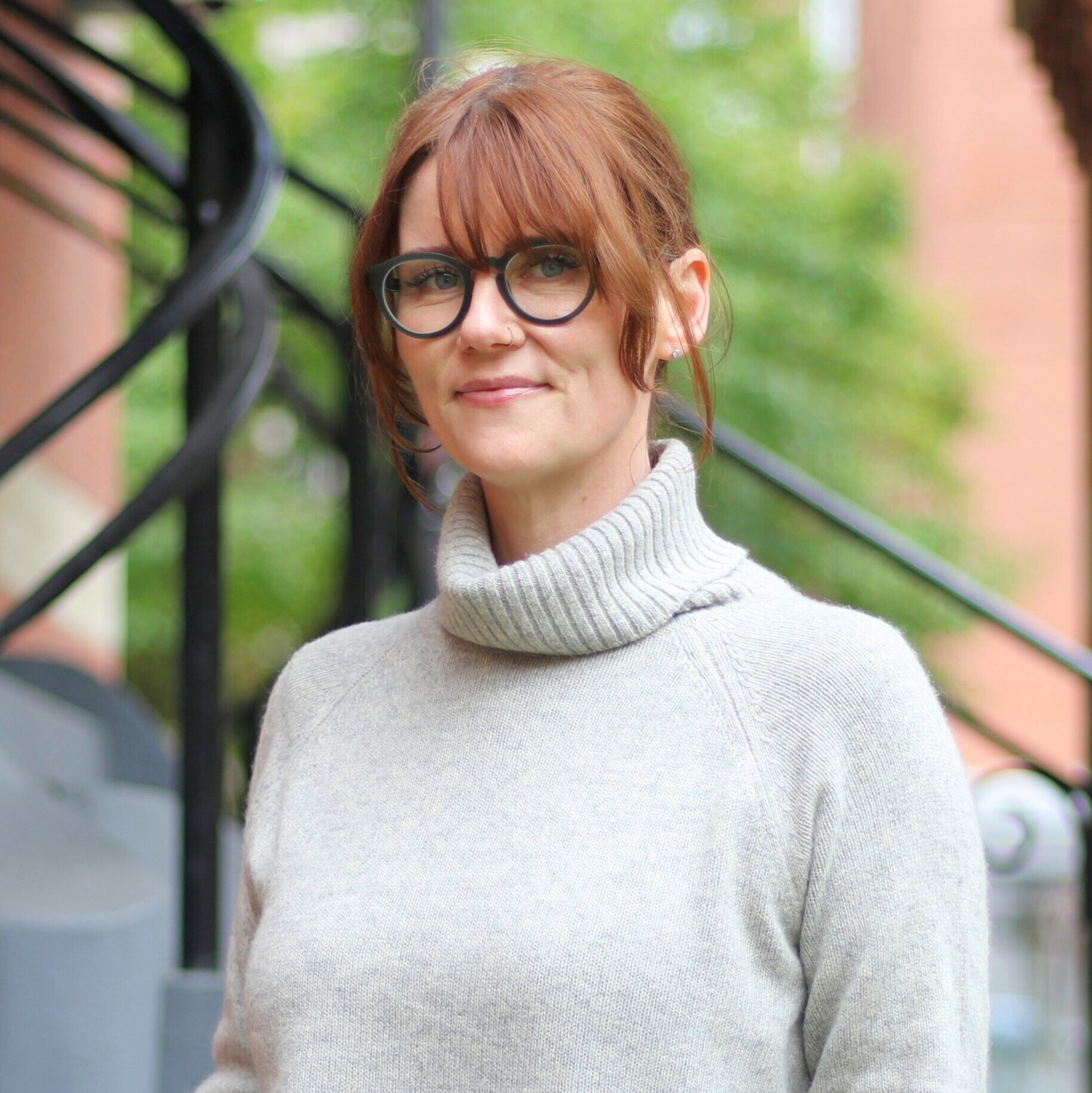
Annie Buck
Annie Buck is a doctoral candidate in the Department of Health Law, Policy & Management at the Boston University School of Public Health. Her research sits at the intersection of trauma surgery, public health, and social justice, with a focus on firearm injury prevention and gun policy at both the state and national levels. She is completing her dissertation on the expansion of Massachusetts’ red flag laws to include clinician petitioners
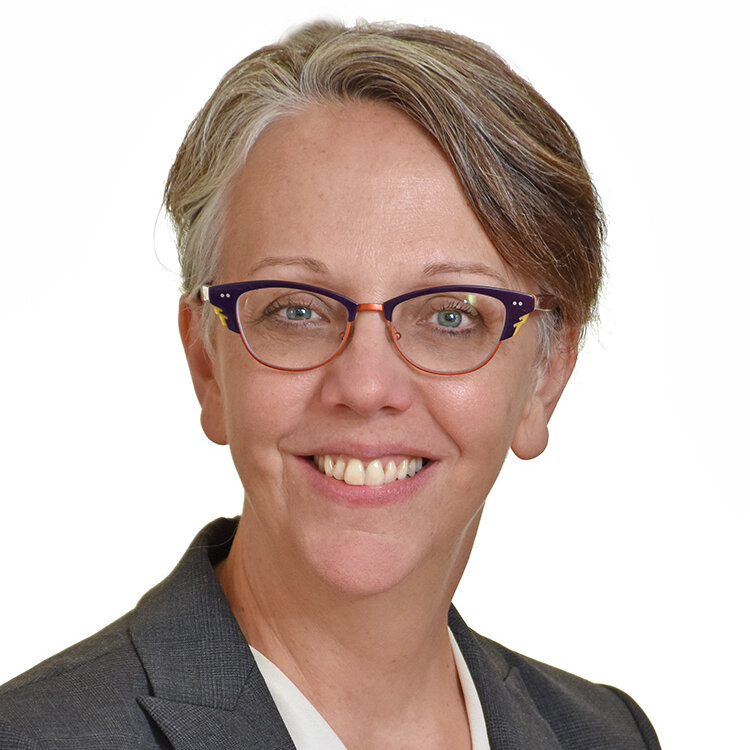
Tracey Dechert, MD FACS
Dr. Tracey Dechert is Chief of Acute Care and Trauma Surgery at Boston Medical Center (BMC). She is also an associate professor of Surgery at the Boston University Chobanian & Avedisian School of Medicine. Appointed Chief in 2022, Dr. Dechert is the first woman to be named Surgical Trauma Chief at a Level 1 adult trauma center in Massachusetts.

Hemal Sampat, MD
Dr. Hemal Sampat is a hospitalist physician at Massachusetts General Hospital, and an Instructor of Medicine at Harvard Medical School. He is the Director of Clinician Training at the MGH Gun Violence Prevention Center, and is active in legislative advocacy with the American College of Physicians and the American Academy of Pediatrics. His op-eds and essays have been published in the New England Journal of Medicine, Newsweek, USA Today, and STAT News.
Moderator:
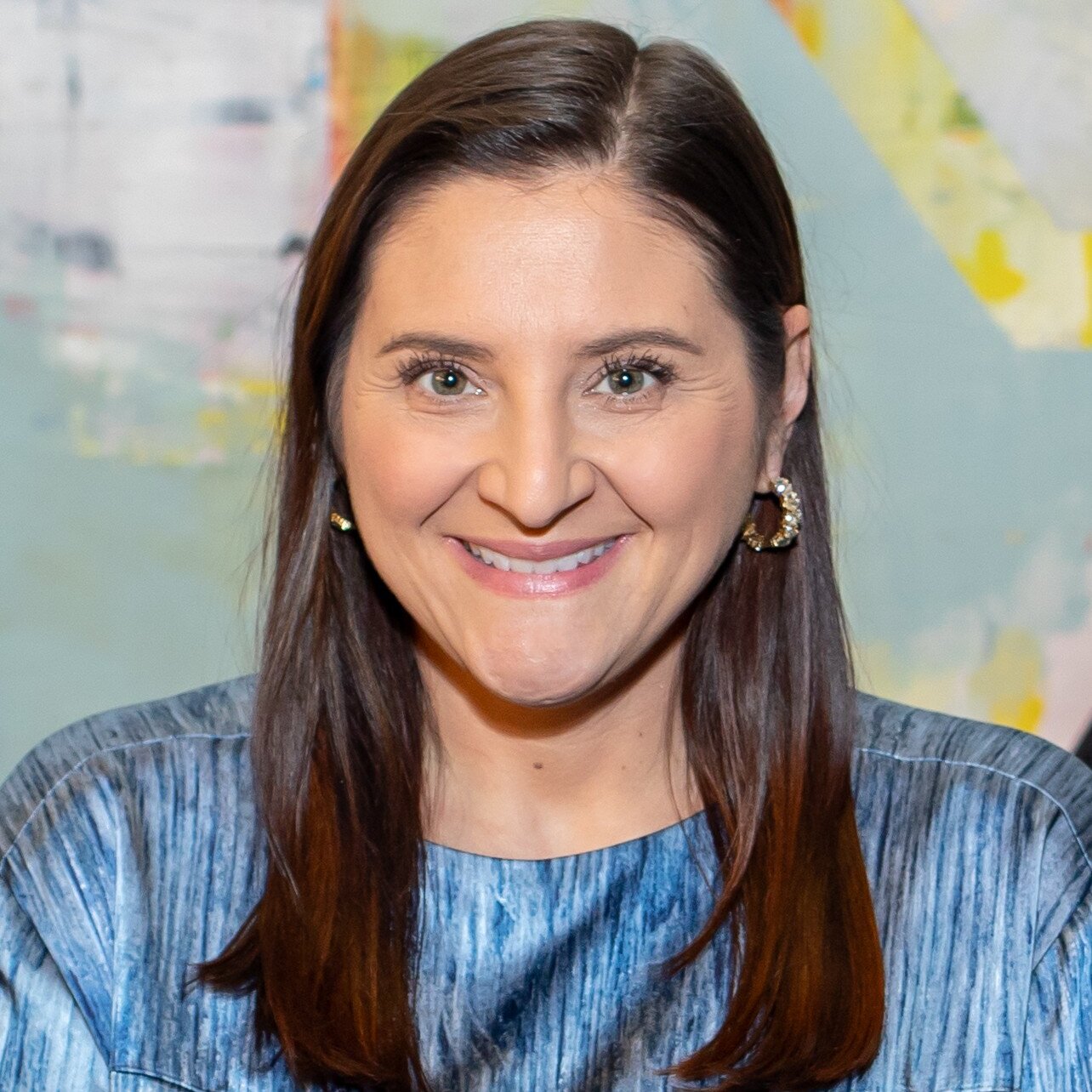
Kacy C. Maitland, LICSW
Kacy C. Maitland is the Chief Clinical Officer at Samaritans, a Massachusetts-based suicide prevention organization. In that role, she oversees all programming, including the 24/7 crisis helpline, youth text line, grief support services for those who have lost loved ones to suicide, and suicide prevention community education.