Every year, over 250 people die by gun violence in Massachusetts. More than half of these deaths are suicides—that’s enough to fill two subway cars on the MBTA Red Line.
Behind each of these deaths is a devastated family and a grieving community. Despite having some of the strictest gun laws in the United States, gun violence remains a significant and often overlooked problem in the Commonwealth – from suicide and domestic violence to school safety.
This National Suicide Prevention & Awareness Month, Samaritans and a panel of gun violence experts, state legislators, and advocates came together for a critical conversation on the current landscape of gun safety laws. In this webinar, attendees:
- Learned how to recognize warning signs and safely intervene when someone you love is in crisis.
- Heard how Extreme Risk Protection Orders (ERPOs) can be used in Massachusetts to decrease the risk of someone hurting themselves or others.
- Discovered ways to have effective conversations with legislators to advocate for policies that address gun violence and suicide prevention.
Funding for this webinar was provided by a grant received from the Massachusetts Attorney General’s Office.
Resources:
An Act Modernizing Firearm Laws Overview
Extreme Risk Protection Order (ERPO) in Massachusetts
Massachusetts Coalition to Prevent Gun Violence
Vote Yes for a Safe Massachusetts
Speakers:
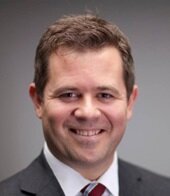
Representative Michael S. Day
Michael proudly represents the towns of Stoneham and Winchester. He and his wife Megan live and are active in Stoneham, where they are raising their three sons, Conor, Ryan and Finnegan. Michael founded his own law firm in 2012 after working as a Special Assistant District Attorney in Middlesex County and practicing law at Mintz Levin in Boston for nearly ten years. He is one of the leading advocates of civil rights and civil liberties issues in the Boston Bar Association, and until recently served on the Board of Directors of a non-profit organization dedicated to ending child abuse. He coaches Mite players in Stoneham Youth Hockey.
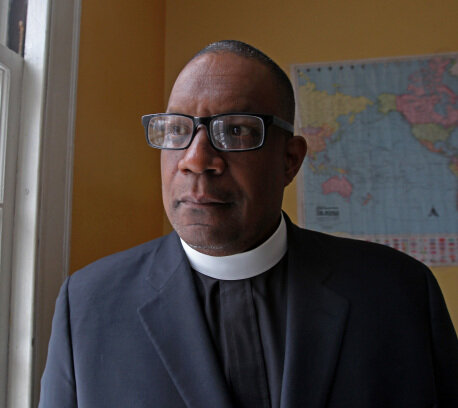
Reverend Mark V. Scott
Reverend Mark Scott is the Associate Pastor of the Azusa Christian Community. He serves as a chaplain at Boston Medical Center. Rev. Scott chairs the Board of the Massachusetts Coalition to Prevent Gun Violence. Mark Scott works at the Boston Public Health Commission.
Reverend Scott is married with four children and three grandchildren.
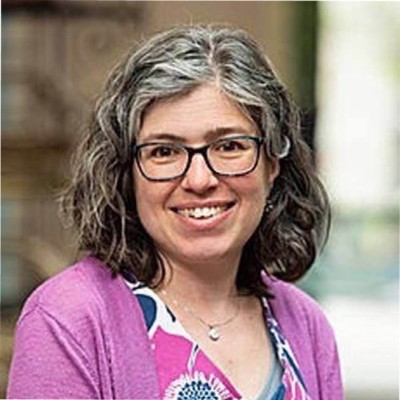
Ruth Zakarin
Ruth Zakarin spent over 25 years working with youth and adults impacted by domestic and sexual violence before becoming the inaugural Executive Director of the Massachusetts Coalition to Prevent Gun Violence in May of 2019. With over 125 member organizations, the Coalition works to address gun violence in all its forms through advocacy, public awareness, coalition building, and community organizing. Ruth has her MSW from the University of Pennsylvania and is also trained as a community organizer. She is particularly interested in creating models of trauma informed advocacy and policy making. Outside of her Coalition work, Ruth is very involved in local interfaith organizing, is an avid knitter and foodie, and is the proud mom of two incredible young adults.
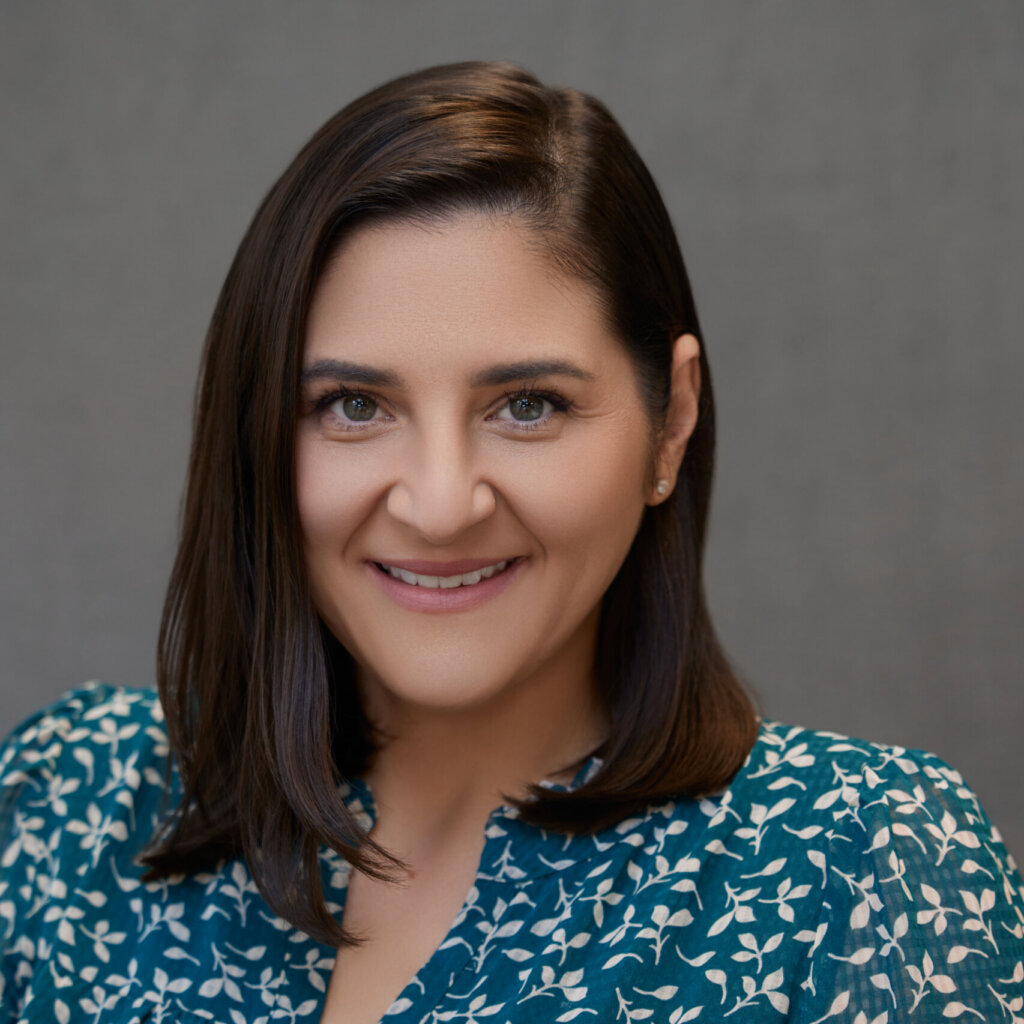
Kacy C. Maitland, LICSW
Kacy C. Maitland is the Chief Clinical Officer at Samaritans, a Massachusetts-based suicide prevention organization. In that role, she oversees all programming, including the 24/7 crisis helpline, youth text line, grief support services for those who have lost loved ones to suicide, and suicide prevention community education. Kacy has over 15 years of experience in the field of mental health. She has practiced as both a trainer and clinician in a variety of settings, including working with those struggling with severe and persistent mental illness, and holds leadership roles with community organizations and government policy advisory groups. Kacy is a Commissioner for the Disabled Persons Protection Commission (DPPC) for the Commonwealth of Massachusetts. She has also been an Adjunct Professor of Social Work at Simmons University Graduate School of Social Work and in Sociology at Quincy College.