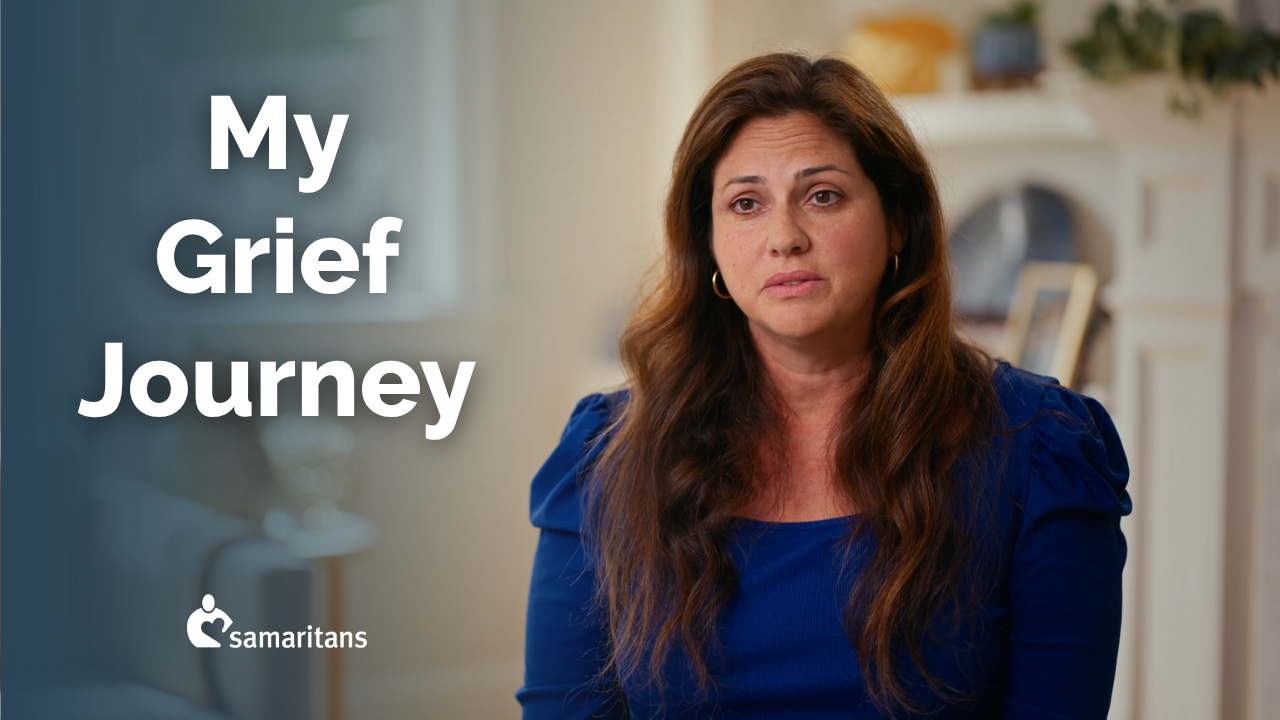
Sissi O’Shaughnessy lost her husband, Mark, to suicide in May 2020. Four years later, as Samaritans’ Senior Director of Suicide Grief Support Services, she attended an event hosted by the American Foundation for Suicide Prevention for people who were several years out from a suicide loss. She knew immediately she wanted to bring that education to the Samaritans community.
“Hearing testimonies from people who were further along in their grief journeys inspired me. It was an ‘aha’ moment that allowed me to see a gap in our programming.”

A New Way to Connect
At Samaritans, Sissi oversees SafePlace meetings, Survivor to Survivor visits, and community events, all of which provide loss survivors with a space to find connection and healing. But she learned that some survivors had outgrown SafePlace meetings and needed a new resource as part of their healing journey.
“Five years after my loss, I was in a different place, emotionally, compared to a year or two after. It became my personal mission to provide the community with things that helped me in my own grief journey. We didn’t have a space for long-term survivors—meeting them where they are is really important.”
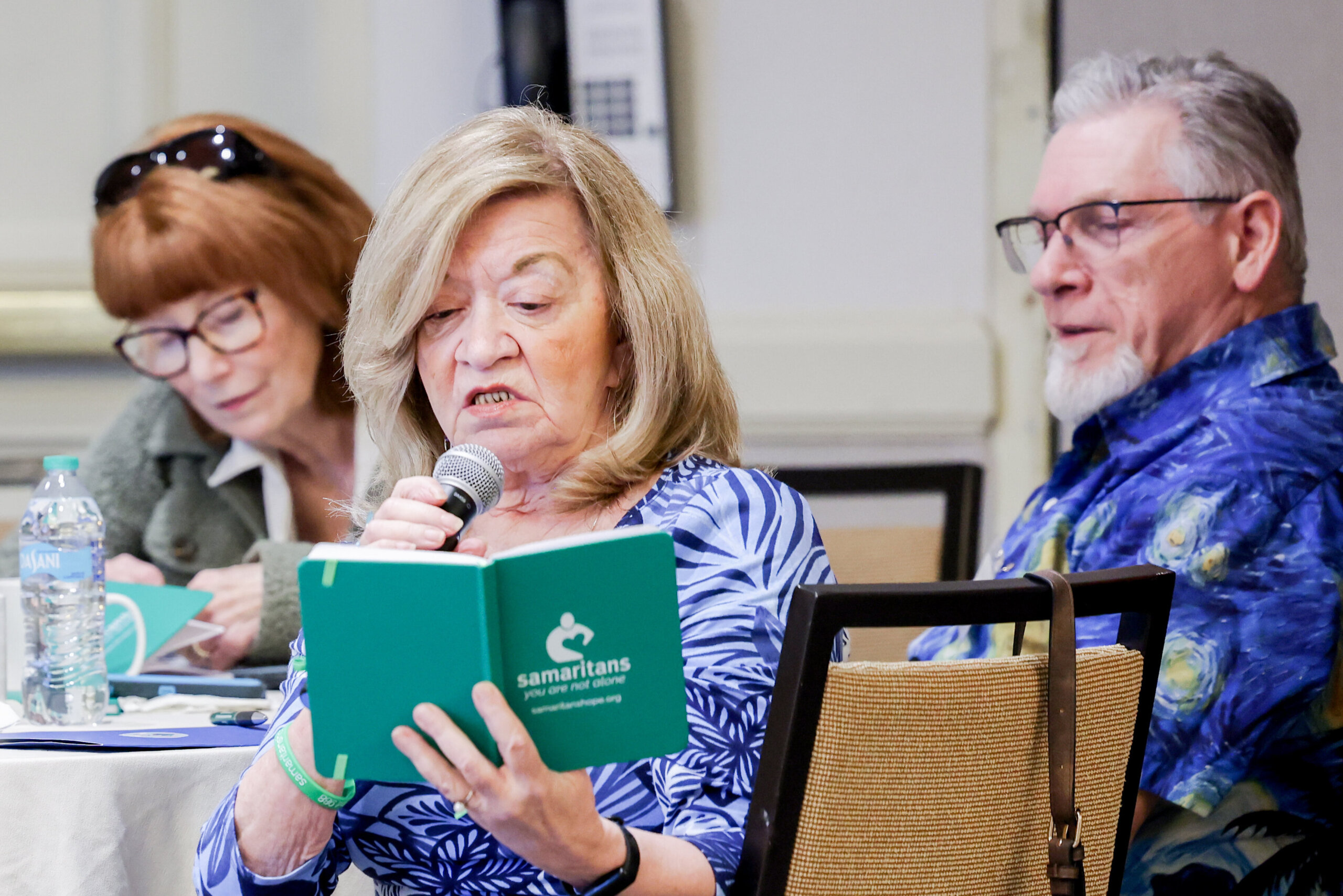
That mission led to the creation of “Healing from Suicide Loss: A One-Day Summit for Long-Term Loss Survivors,” an event held in May 2025 near Boston. The program was supported by the Parmenter Foundation and featured Sarah Gaer, a mental health professional and recognized speaker on Soul Exhaustion who provides resilience, guidance, and hope for those seeking healing and renewal in their lives.
Defining Your Story
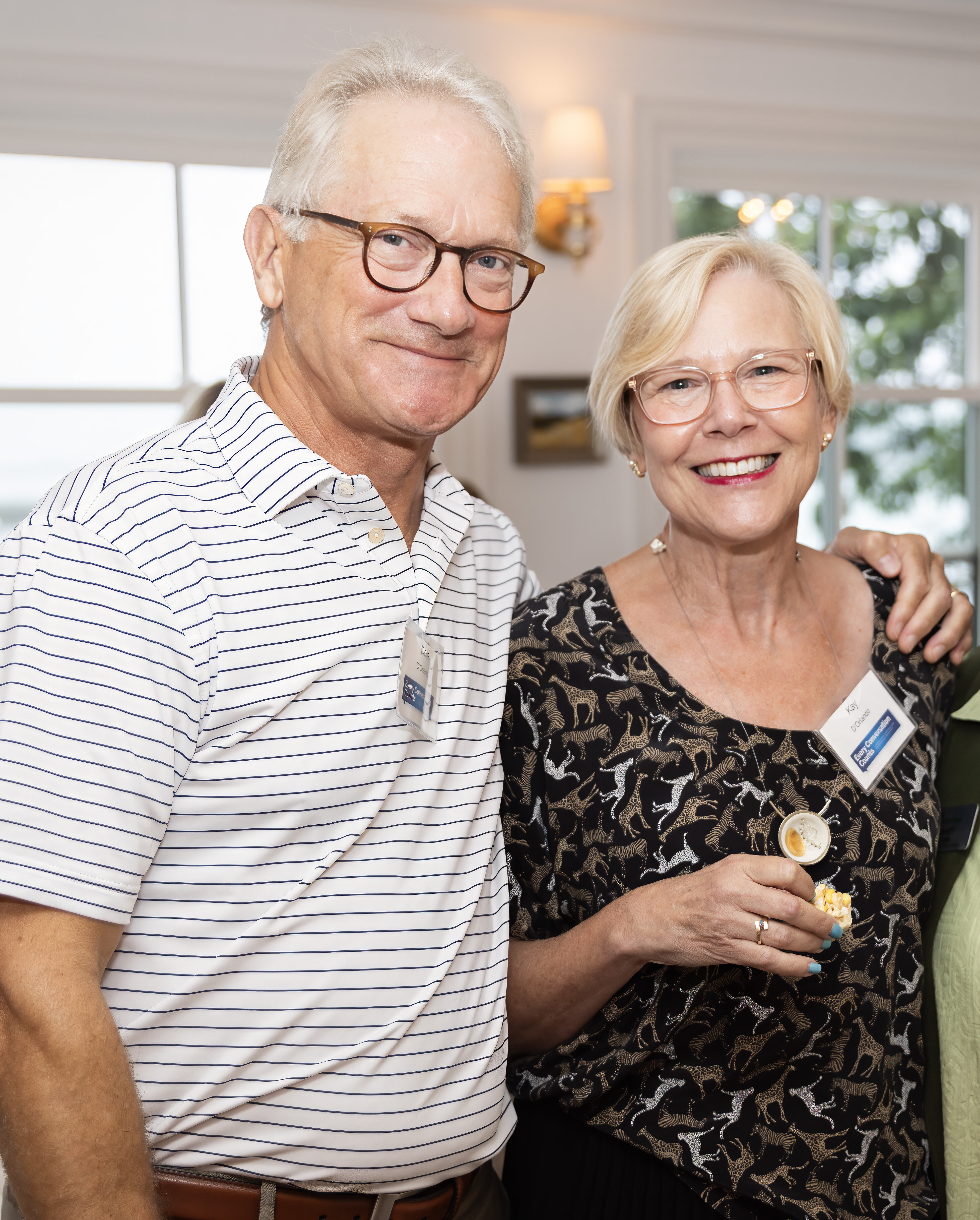
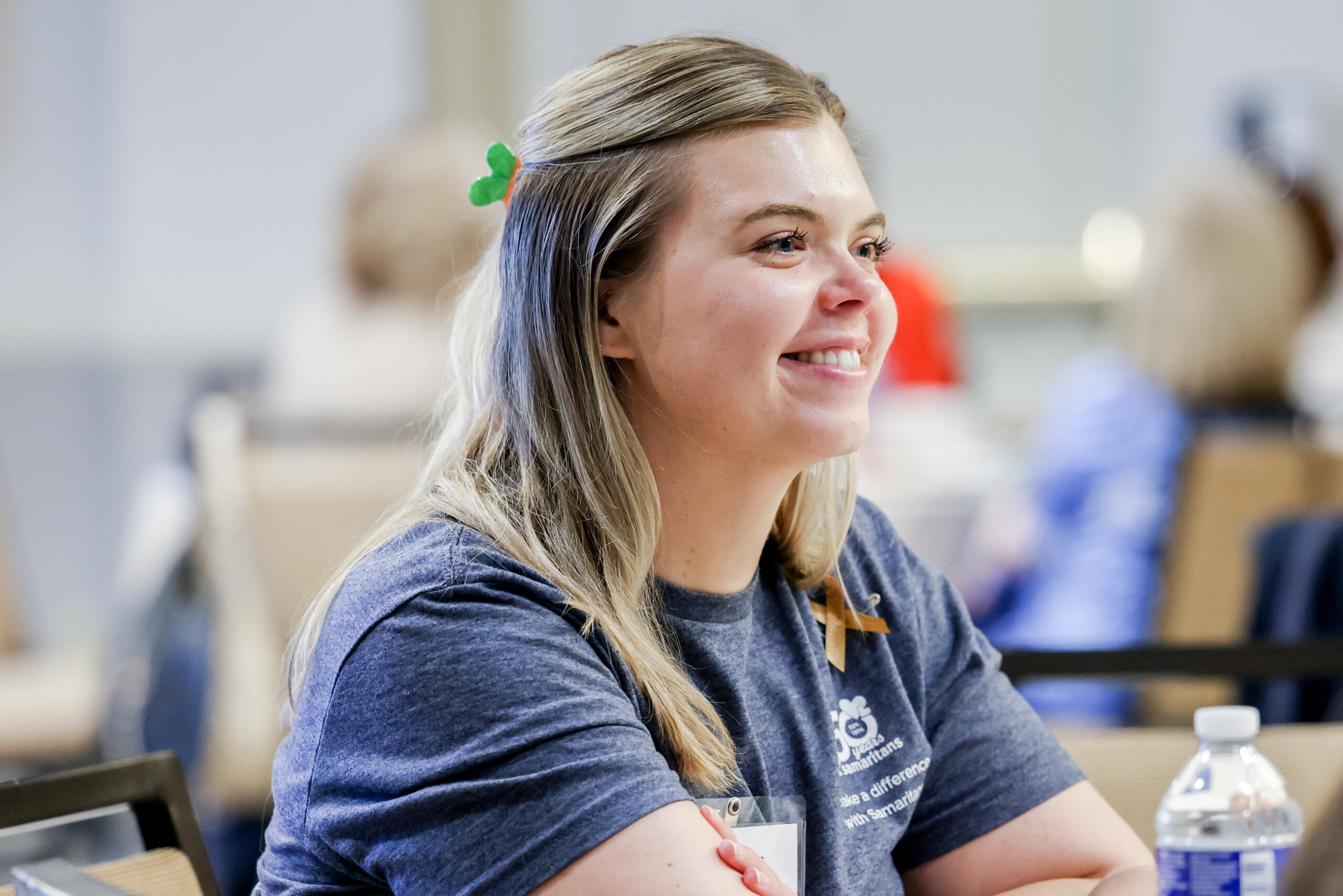
Thirty-eight loss survivors attended the summit, the vast majority of whom were at least five years removed from their loss. Sissi was moved by how many attendees were able to talk about their personal growth, rather than their trauma.
“The beginning of a grief journey is usually about the person who died—there are things that create blocks to feeling sadness. But for longer-term survivors, it’s more about finding meaning and integrating their loved one into their lives. How can they keep saying their loved one’s name while still living a happy, joyful life?”
Grief is such a personal experience. It’s like someone’s individual fingerprint. It’s our responsibility to help create spaces where we are meeting people along their journey.
That pursuit of happiness is at the heart of Soul Care, a non-religious, non-clinical, evidence-informed approach developed by Gaer to help people restore a sense of self, connection, and resilience. “Soul Care is about how you take care of yourself in spite of your trauma,” says Sissi. “This is about your story—you get to define how this loss has impacted you and how you choose to create a legacy for your loved one.”
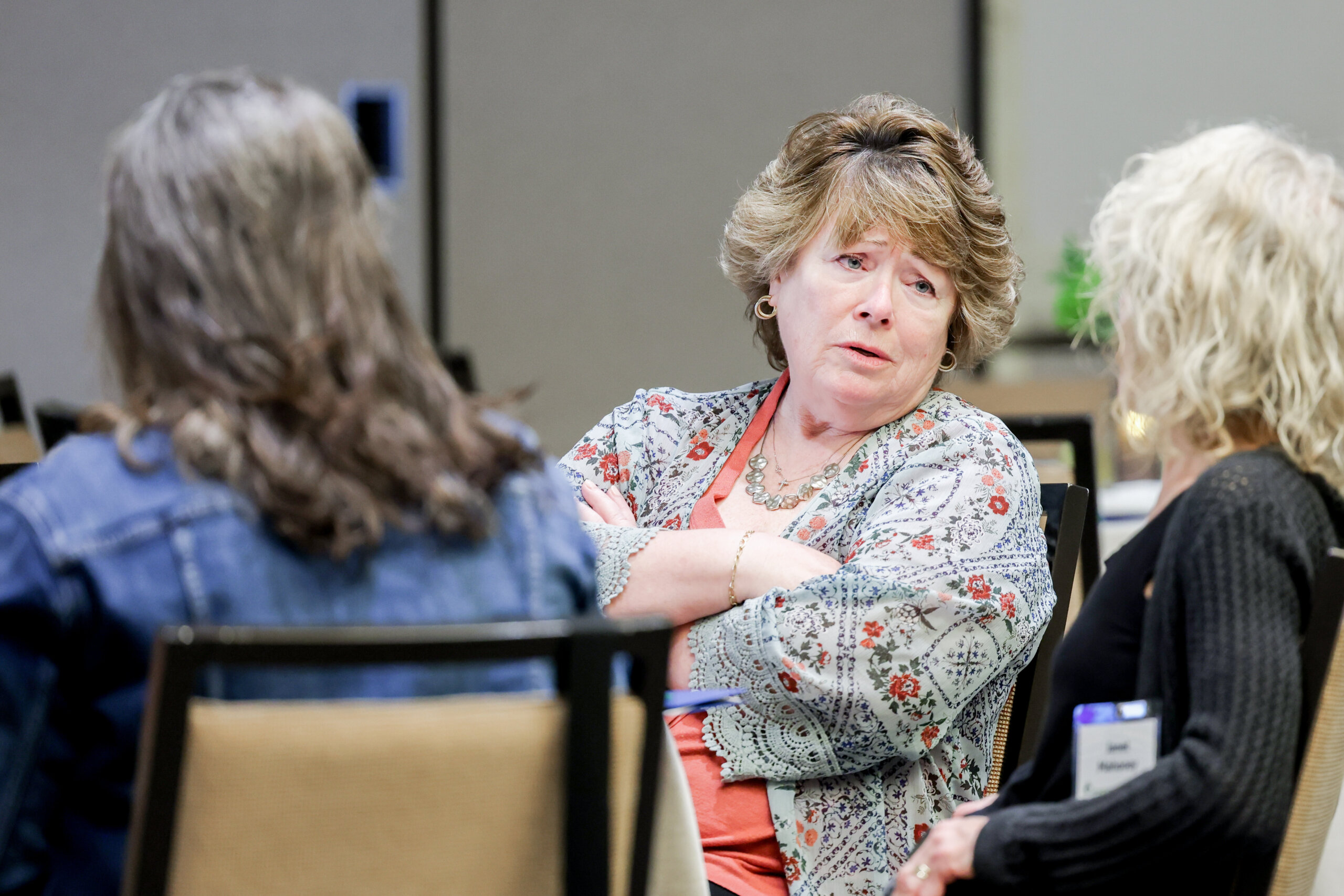
Several people sat with Sissi after the summit concluded, showing appreciation for having the space to talk about their journeys. “People were able to connect with others who were on the same timeline, who were being intentional about their healing. You could feel the connection in the room.”
Space to Heal
Sissi is not done expanding Samaritans’ support for loss survivors. She feels strongly about continuing to launch new programs. “Creating the space for people to come together to heal in community is just the beginning. There is a lot of magic that happens when you connect loss survivors who are intentional about their healing.”
Get Support
Losing a loved one to suicide is a painful and difficult experience. Samaritans is here to offer suicide loss survivors nonjudgmental listening and peer support. We provide many programs to support survivors in their grieving.