Know the Warning Signs of a Suicidal Student
As a teacher, you spend countless hours with your students, learning their rhythms, celebrating their wins, and noticing when something seems off. Often, teachers are the first to recognize when a student might be struggling with their mental health. Whether it is a subtle shift in their energy, a change in academic performance, or a quiet withdrawal from their peers, your unique vantage point makes you a valuable source of support for a student in crisis.
Acknowledging that a student may be considering suicide is incredibly heavy and emotional, and it’s natural to feel a mix of fear, responsibility, and anxiety. It is important to remember that you are not expected to be a therapist or a clinical expert: your role is to be a bridge. By offering a listening ear and a calm presence, you can provide the essential link between a student’s distress and the professional support they need.
- Family history of suicide or mental health disorders
- Previous suicide attempts
- Physical/mental illness
- Physical, sexual, domestic, or child abuse/trauma
- Substantial loss (relational, social work, financial)
- Facing oppression and injustice, such as racism and/or sexism
- Substance use or addiction, including behavioral addictions such a gambling
- Homelessness
- Challenges that LGBTQ+ people face, such as discrimination and anti-LGBTQ+ policies
- Lack of access to behavioral healthcare
- Isolation
- Poor coping or problem-solving skills
- Access to lethal means
- Talking or joking about death, dying, or suicide
- Concerning themes in essays, poetry, or artwork
- Feelings of sadness or hopelessness, often accompanied by anxiety
- Changes in mood, such as sudden calmness after a period of intense distress, or extreme irritability
- Direct statements, such as “No one would miss me if I were gone”, “I can’t do this anymore”, or “Everyone would be better off without me.”
- Isolation and withdrawal from peers, social groups, and activities
- Loss of pleasure/interest in hobbies and activities
- Sudden decline in academic performance
- Missing class
- Impulsive behavior
- Giving away possessions
- Increased substance use
- Changes in eating and/or sleeping
- Depressed
- Out of control
- Confused
- Overwhelmed
- Isolated
- Worthless
- Helpless
- Hopeless
How to Talk to a Suicidal Student
Every school environment is unique, and you should follow the protocol of your institution. While no two conversations will look the same, research shows that directly and compassionately asking a student about suicidal thoughts does not plant the idea. In fact, it can be a profound relief for a student who has been suffering in silence. The following steps provide a guide for how to engage a student who might be struggling.

Find the Right Moment to Talk
If you’re concerned about a student, trust your instincts and find a quiet, private time to check in. Avoid bringing it up in front of other students, and instead look for a private, calm window of time to speak one-on-one. Use caring, non-confrontational language to open the door. You might say:
- “I’ve noticed you’ve been quieter than usual lately, and I wanted to check in.”
- “Could you stay behind for a moment? You haven’t seemed like yourself, and I’m here if you want to talk.”
It is natural to feel overwhelmed or afraid of saying the wrong thing. However, your goal is just to be a caring adult who notices, listens, and connects students with the help they need. Simply asking how they are, and letting them know that you’re here to talk can significantly reduce a student’s sense of isolation.
What to Say When a Student Opens Up
When a student begins to open up, your most powerful tool is your ability to listen. Ask open-ended questions to invite them to share more, such as “Can you tell me a bit more about how you’ve been feeling?”. Give them space to feel their emotions without judgment or interruption, and reflect back what you’re hearing to show you’re truly present by saying things like:
- “It sounds like you’ve been carrying a lot on your own.”
- “What I’m hearing is that things have felt really overwhelming lately, is that right?”
Be sure to validate both their feelings and their courage: “It makes complete sense that you’re feeling this way, and I’m really glad you shared this with me.” Avoid the urge to minimize their pain with platitudes like “But you have so much going for you.” These phrases, while well-intentioned, can make a student feel unheard.


Don’t Promise Confidentiality
It’s extremely important to manage expectations around privacy from the start. Teachers are mandated reporters, meaning they are legally required to act on information that suggests a student may be at risk of harming themselves or others.
Being transparent about this upfront builds trust rather than breaking it. If a student asks for total secrecy, be honest but gentle: “I want to listen to everything you have to say, but I cannot promise to keep this a secret if I am worried about your safety.”
Prioritize Their Safety
Your response should focus on safety and next steps. If a student denies they are struggling but your gut feeling suggests otherwise, reaffirm your support: “I hear you, and I’m still a bit worried because I’ve noticed [specific observation]. I’m here to listen and support you in the ways that I can.” This keeps the door open for future conversations.
If the student confirms they are in distress but begs you not to report it, stay firm but compassionate. You might say, “I care about you and your well being. I want you to be safe and we need to get some extra help involved.” Your next step should be to follow your school’s mental health protocol or connect the student to a school counselor, social worker, or crisis team.


“A ‘thank you’ seems inadequate for as an expression of my profound gratitude for your presentations to my classes this year. You can add my name to the list of teachers who had a student ask for assistance after your compassionate class. You are a light of hope.”
Classroom Teacher in the Boston Area
SCHOOL suicide prevention workshop attendee
How to Help a Suicidal Student
Managing an Immediate Crisis
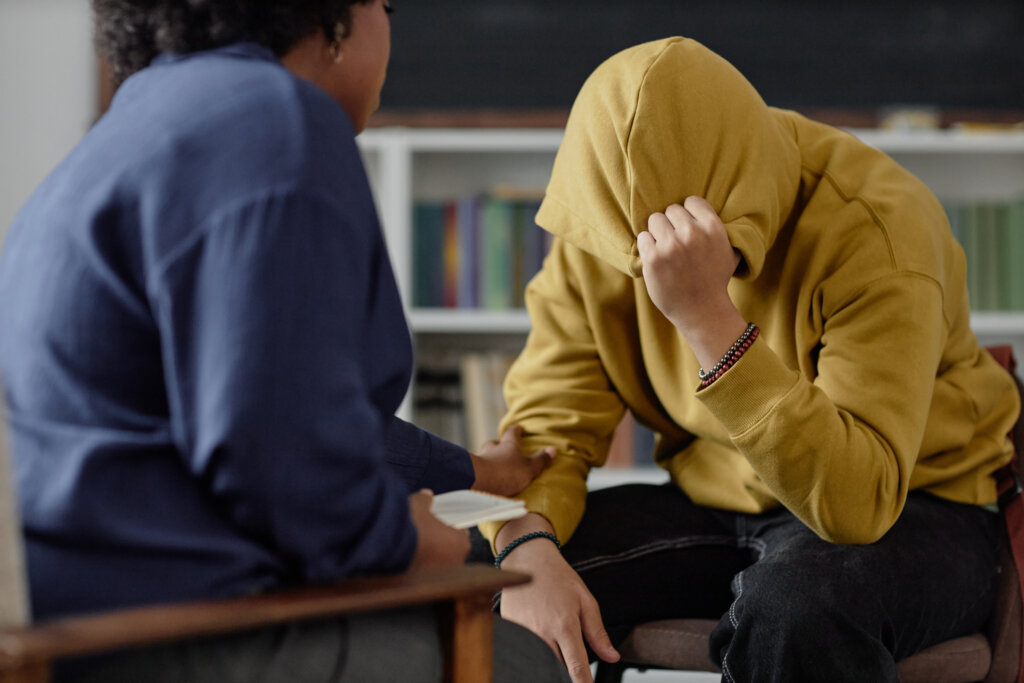
If a student is in immediate danger or has expressed a clear intent to end their life, your primary goal is to maintain a calm, steady presence. Stay with the student. Do not leave them alone, even if they ask for space. While you wait for assistance, continue to listen without judgment and reassure them that you take their feelings seriously.
This is the moment to activate your school’s formal mental health or safeguarding protocol. If you are ever unsure of the next step or feel the situation is escalating beyond your control, you can call or text 988 (or your local emergency services) for real-time guidance. Remember: your role is to be the steady anchor that connects the student to specialized help.

Continue to Check In
Support does not end once the initial crisis has passed. As the student returns to your classroom, continue to check in with them in a low-pressure, non-intrusive way: a simple “How are things today?” can go a long way. Work collaboratively with the school’s support staff and the student’s family to create an environment where they can succeed. This may involve offering temporary flexibility with assignments, extending deadlines, or adjusting expectations for class participation.
It can also help to remind the student that support is available to them outside of school hours. The Hey Sam mental health text line offers free, confidential support 24/7, giving students a safe outlet whenever they need it. Always respect the student’s privacy by not sharing details of the crisis with their peers, but remain vigilant. Your ongoing compassion and check-ins are a key part of their long-term recovery.
Navigating the Weight of Responsibility
The stress of supporting a suicidal student rarely ends when the school bell rings. It’s an extraordinary emotional weight to carry, and it is vital to acknowledge the impact this has on your own wellbeing. You may find yourself second-guessing every word you said, worrying about the student during your personal time, or feeling an overwhelming sense of responsibility for their ultimate safety. Over time, carrying this “hyper-vigilance” can lead to burnout, emotional exhaustion, or a diminished sense of professional confidence.
In these situations, it’s important to remember that while you are a vital link in students’ safety nets, you are one part of a wider system. You can’t, and shouldn’t, carry the weight of a student’s life alone. Acknowledging the emotional toll and getting support is not a sign of weakness. Instead, it’s the most responsible thing you can do to ensure you can continue to show up for your students.


Creating Schools That Support Mental Health
A supportive school environment begins with a culture that prioritizes mental health awareness and actively dismantles stigma. Schools must ensure that professional support, such as counselors and wellbeing practitioners, is visible, accessible, and low-barrier for every student. Mental health workshops for students also help to promote a safe environment, giving students the skills to help a friend in need and how to ask for help.
Integrating emotional wellbeing into the daily curriculum ensures that “it’s okay to not be okay” is a lived reality rather than just a slogan for schools. This systemic approach includes providing staff with evidence-based suicide prevention training, such as gatekeeper programs, which equip adults in schools and on campuses with the confidence to identify and respond to early warning signs before they escalate into a crisis. This proactive foundation allows students to feel seen and valued, making it much more likely they will seek help early and stay connected to the community.
Still not sure how to help?
If you’re concerned that a student may be suicidal, our volunteers can help you think through strategies for how to best support them. Call or text us anytime on our free and confidential 24/7 Helpline at 988.
“Thank you so much for visiting us. The information we learned is quite valuable. As teenagers, we need this type of advice and information to understand when or if we need to get help when our feelings become unbearable.”
High School Student in the Boston Area
School suicide prevention workshop attendee